Preserving the Heritage of Civic Architecture
Where monumental design meets contemporary restoration expertise
Where monumental design meets contemporary restoration expertise
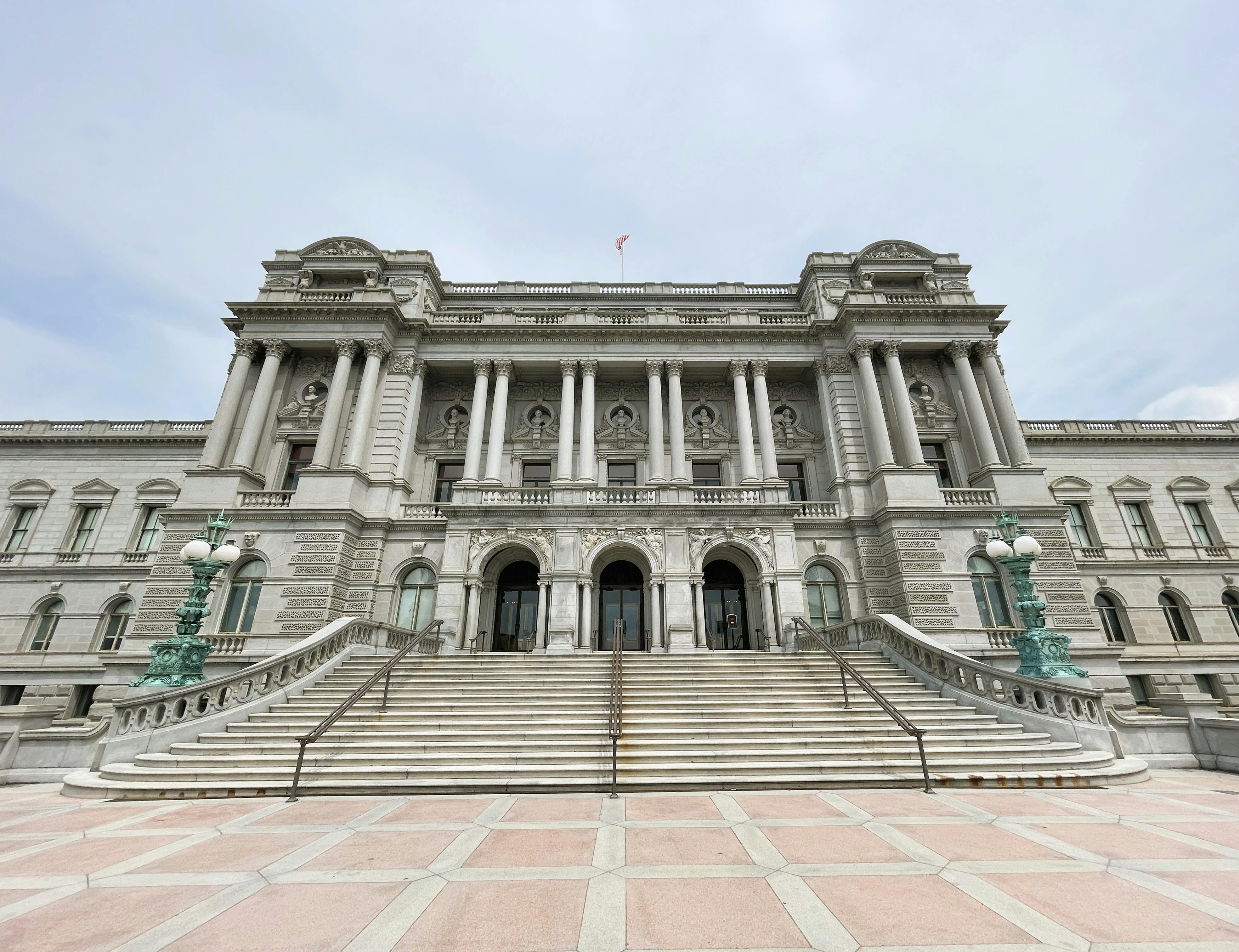
Government buildings stand as enduring symbols of civic identity. Their facades tell stories of democratic ideals, architectural ambition, and cultural continuity. Yet many of these structures face challenges that threaten their integrity.
Over two decades, we have developed methodologies that honour original design intent while addressing modern functional requirements. Our approach considers structural stability, material authenticity, and regulatory compliance as interconnected elements of preservation practice.
Unlike residential or commercial structures, government buildings carry ceremonial weight. Their maintenance demands specialized knowledge of historical construction techniques, period-appropriate materials, and the political contexts that shaped their creation.
We work closely with heritage boards, conservation officers, and municipal authorities to ensure that interventions respect both aesthetic values and contemporary building standards. This often requires navigating complex approval processes and demonstrating technical competence through detailed documentation.
Each engagement begins with thorough assessment. We examine structural conditions, review archival records, and develop phased intervention strategies that align with available budgets and operational constraints.
Comprehensive evaluation of architectural significance, material condition, and restoration feasibility for listed civic structures.
per assessment
Detailed specifications for stonework repair, masonry consolidation, and surface treatment using historically accurate methodologies.
per project phase
Liaison with heritage authorities, preparation of conservation area applications, and navigation of listed building consent processes.
per submission
Investigation of original construction records, design drawings, and historical documentation to inform restoration decisions.
per building
Laboratory testing of existing building components and sourcing of replacement materials matching original composition and appearance.
per analysis cycle

Modern construction relies on standardized materials and accelerated timelines. Government buildings from earlier centuries were built using techniques that prioritized durability and craftsmanship over efficiency. Lime mortars, hand-cut stone, and traditional joinery require different maintenance strategies than contemporary equivalents.
We maintain relationships with specialized suppliers and artisan contractors who understand these distinctions. This network enables us to source appropriate materials and execute interventions that will not compromise structural longevity or aesthetic coherence.
Discuss Your ProjectRestoration work on civic architecture follows a structured sequence. Initial surveys establish baseline conditions and identify priority concerns. We then develop intervention strategies that balance preservation objectives with practical constraints such as public access requirements and budget limitations.
Documentation is critical throughout. We produce detailed condition reports, photographic records, and specification documents that serve both as project management tools and as archival resources for future reference.
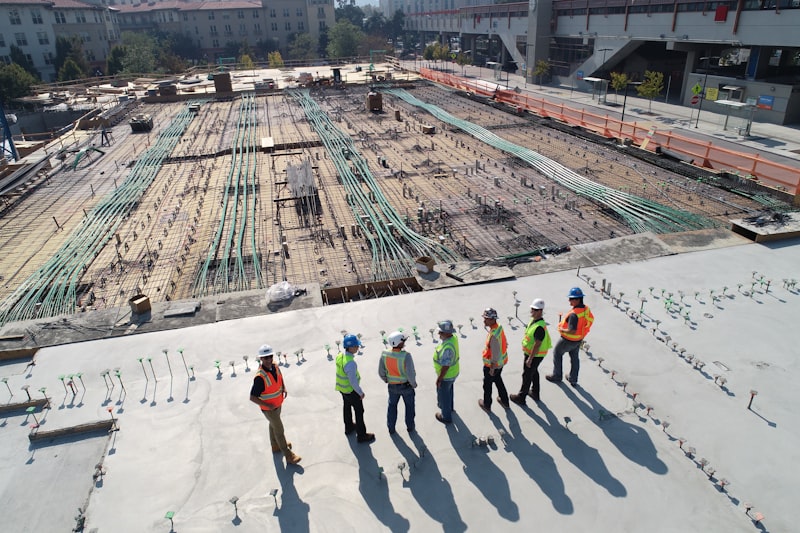
Execution phases are coordinated to minimize disruption to building operations. Many government facilities remain in active use during restoration work, requiring careful scheduling and phased access arrangements.
Professional Notice: The information provided on this website is intended for general guidance on architectural conservation matters. It should not be considered as a substitute for professional assessment or formal consultation. Building conservation involves complex technical and regulatory considerations that vary by location and structure type. We recommend engaging qualified professionals before undertaking any intervention work on heritage properties. Outcomes of restoration projects may differ based on site-specific conditions, regulatory requirements, and available resources.