Our Approach to Architectural Conservation
Combining historical research with technical precision
Combining historical research with technical precision
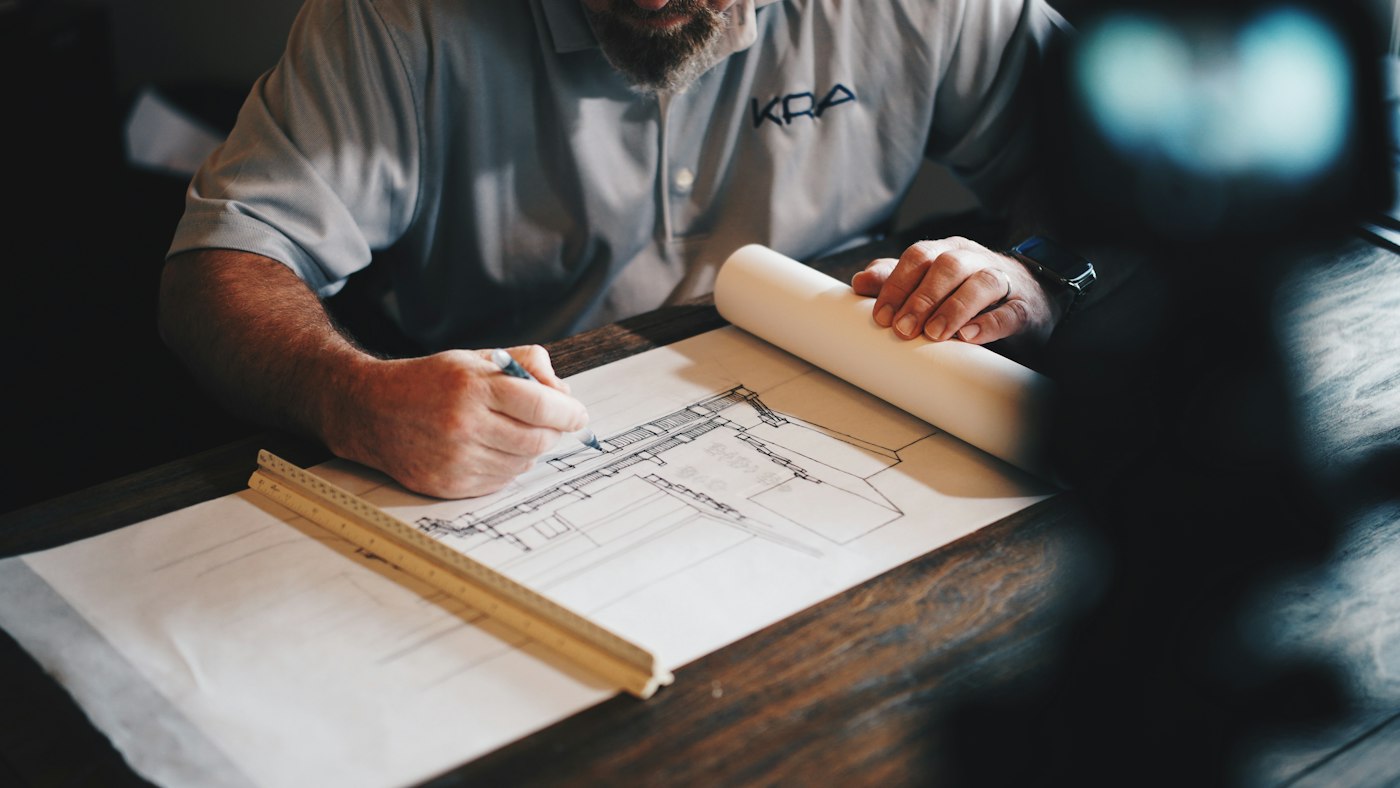
Since establishing our practice in 2004, we have focused exclusively on government and civic architecture. This specialization emerged from recognition that institutional buildings require distinct expertise beyond general heritage work.
Our methodology rests on three principles: thorough investigation of original construction methods, rigorous assessment of current conditions, and transparent communication with all stakeholders throughout the restoration process.
Government buildings constructed between 1850 and 1950 share certain characteristics. Load-bearing masonry walls, lime-based mortars, timber floor structures, and decorative plasterwork were standard. Understanding these systems requires familiarity with period construction manuals, material science, and structural analysis techniques.

We maintain an extensive reference library of historical building texts, material specifications, and archival construction documents. This resource base informs our assessment work and helps us identify appropriate intervention strategies for specific building types and construction periods.
Effective conservation work requires coordination among multiple parties. Building owners, heritage officers, structural engineers, and specialist contractors each contribute essential perspectives. Our role includes facilitating these relationships and ensuring that technical decisions align with both preservation objectives and practical requirements.
Documentation forms the foundation of this collaborative approach. We produce detailed condition surveys, photographic records, and specification documents that serve as reference points for all project participants. This transparency helps prevent misunderstandings and ensures accountability throughout the restoration sequence.

Listed building consent procedures can present significant administrative challenges. Applications require substantial supporting documentation, including historical analysis, impact assessments, and detailed intervention proposals. Approval timelines vary depending on the significance of the structure and the scope of proposed work.
We have developed working relationships with heritage authorities across multiple jurisdictions. This experience enables us to anticipate regulatory concerns, prepare comprehensive application materials, and respond effectively to queries that arise during the review process.
Sourcing appropriate replacement materials often proves more complex than initially anticipated. Modern production methods have largely displaced traditional manufacturing processes for items such as handmade bricks, lime putty, and cast iron components.
We work with a network of specialized suppliers and artisan workshops that maintain traditional production capabilities. This includes brickworks producing period-appropriate clay bricks, lime producers offering hydraulic and non-hydraulic formulations, and foundries capable of replicating historical metalwork.

Conservation work aims to extend the functional life of buildings while preserving their architectural character. This requires thinking beyond immediate repairs to consider how interventions will perform over decades. Material compatibility, maintenance requirements, and future adaptability all factor into our recommendation process.
Government buildings often undergo periodic functional modifications to accommodate changing administrative needs. Our approach considers how conservation work can support this adaptive capacity without compromising historical integrity.
Arrange a DiscussionProfessional Notice: The information provided on this website is intended for general guidance on architectural conservation matters. It should not be considered as a substitute for professional assessment or formal consultation. Building conservation involves complex technical and regulatory considerations that vary by location and structure type. We recommend engaging qualified professionals before undertaking any intervention work on heritage properties. Outcomes of restoration projects may differ based on site-specific conditions, regulatory requirements, and available resources.